
Welcome to the wonderful world of Salt Block Cooking! In this article, you will learn all about the joys of cooking on a salt block, from the delicious flavors it imparts to the impressive presentation it offers. Discover how easy it is to heat up and use a salt block, as well as the variety of dishes you can create on this unique cooking surface. So grab your salt block and get ready to elevate your culinary skills to a whole new level! Have you ever tried cooking on a salt block? If not, you’re in for a real treat! Salt block cooking is a unique and flavorful way to prepare your favorite dishes. In this article, we’ll explore the world of salt block cooking and provide you with everything you need to know to get started. So grab your salt block and let’s get cooking!


What is Salt Block Cooking?
Salt block cooking is a method of cooking where food is prepared on a salt block that is heated to a high temperature. The salt block acts as a cooking surface and imparts a subtle salty flavor to the food as it cooks. It is a versatile and exciting way to cook a wide variety of dishes, from meats and seafood to vegetables and even desserts.
Why Choose Salt Block Cooking?
Salt block cooking offers a unique way to add depth and flavor to your dishes. The salt block not only seasons your food but also adds a hint of saltiness that enhances the overall taste. Additionally, cooking on a salt block allows for even heat distribution, resulting in perfectly cooked meals every time. Plus, the presentation of cooking on a beautiful pink Himalayan salt block is sure to impress your guests.
Types of Salt Blocks
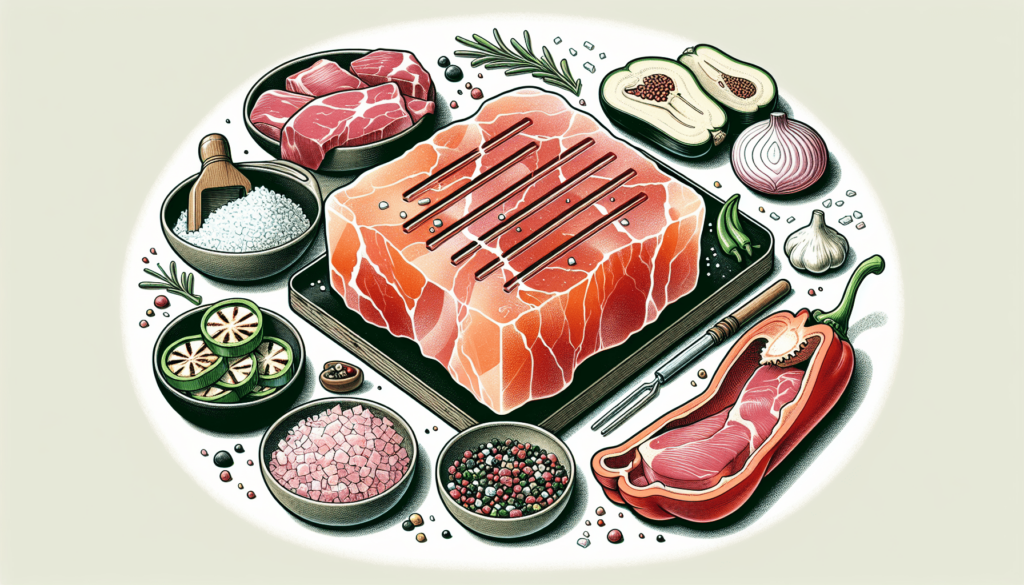
There are several types of salt blocks available for cooking, each with its own unique qualities and benefits. The most common types of salt blocks include Himalayan pink salt blocks, sea salt blocks, and mineral-rich salt blocks.
| Type of Salt Block | Description |
|---|---|
| Himalayan Pink Salt | Known for its beautiful pink color, Himalayan salt blocks are rich in minerals and provide a subtle |
| Block | salty flavor to food. They are versatile and can be used for cooking, serving, and even freezing. |
| Sea Salt Block | Sea salt blocks are harvested from saltwater and offer a more intense salty flavor to food. They are |
| a great choice for those who prefer a stronger salt taste in their dishes. | |
| Mineral-Rich Salt | Mineral-rich salt blocks, such as those from the Dead Sea, contain a higher concentration of |
| Block | minerals that can add a unique depth of flavor to your dishes. They are ideal for enhancing the |
| taste of seafood and vegetables. |
Choosing the Right Salt Block
When selecting a salt block for cooking, consider the type of dishes you’ll be preparing and your personal preference for saltiness. Himalayan pink salt blocks are a popular choice for their versatility and subtle flavor, while sea salt blocks are preferred by those who enjoy a stronger salt taste. Mineral-rich salt blocks are great for adding an extra depth of flavor to your dishes.

How to Use a Salt Block
Cooking on a salt block is relatively simple, but there are a few important steps to follow to ensure success. Here’s a step-by-step guide on how to properly use a salt block for cooking:
Preheating the Salt Block
- Place the salt block on a stovetop or grill and heat it slowly over low heat for about 15 minutes.
- Increase the heat gradually until it reaches the desired temperature for cooking.
Seasoning the Salt Block
- Before placing food on the salt block, season it by rubbing oil onto the surface to create a non-stick cooking surface.
- You can also add herbs, spices, or citrus zest to the salt block to infuse additional flavors into your dishes.
Cooking on the Salt Block
- Once the salt block is hot, carefully place the food on the surface and cook it according to your recipe’s instructions.
- Avoid flipping the food too frequently to allow for even cooking and to prevent sticking.
Cleaning and Storing the Salt Block
- Allow the salt block to cool completely before cleaning it with a damp cloth and mild detergent.
- Dry the salt block thoroughly and store it in a cool, dry place away from moisture.
Tips for Salt Block Cooking
While salt block cooking is a fun and flavorful way to prepare meals, it does require some special care and attention. Here are some helpful tips to ensure successful salt block cooking experiences:
Preheating Tips
- Gradually heat the salt block to prevent cracking from thermal shock.
- Use a heat-resistant pad or trivet when placing a hot salt block on a surface to protect countertops or tables.
Cooking Tips
- Monitor the temperature of the salt block to prevent food from burning.
- Avoid using metal utensils on the salt block to prevent scratching or damaging the surface.
Cleaning Tips
- Do not use soap or harsh chemicals when cleaning a salt block, as they can absorb into the salt and affect the flavor.
- Store the salt block in a well-ventilated area to prevent moisture buildup and extend its lifespan.
Best Practices for Salt Block Cooking
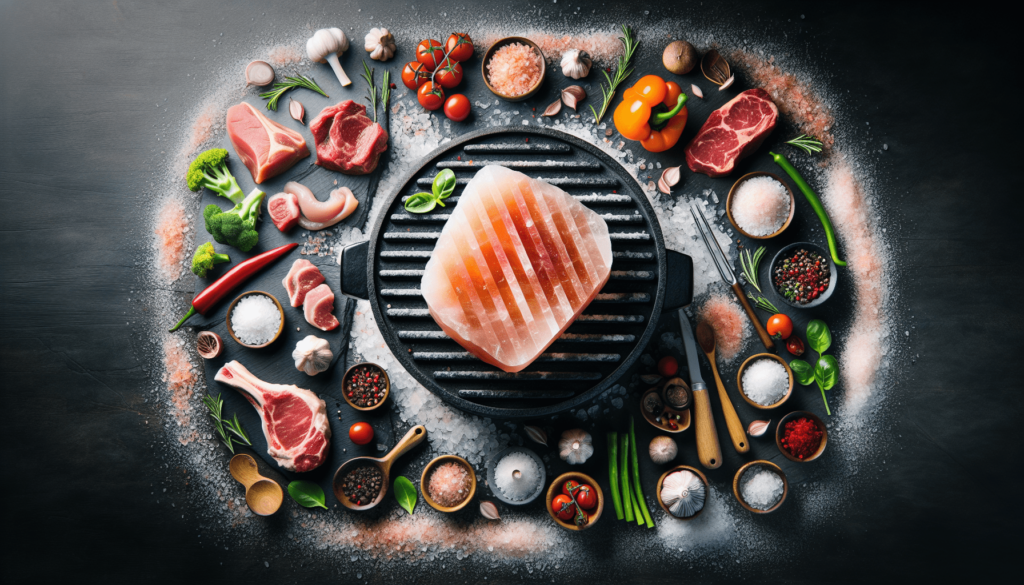
To get the most out of your salt block cooking experience, follow these best practices for using and caring for your salt block:
Experiment with Different Foods
- Try cooking a variety of foods on your salt block, from meats and seafood to vegetables and fruits, to discover new flavors and textures.
Control the Temperature
- Adjust the cooking temperature by moving the food around on the salt block to achieve the desired level of doneness.
- For delicate foods like seafood, lower the cooking temperature to prevent overcooking.
Enhance Flavors
- Experiment with different seasonings and marinades to enhance the natural flavors of your dishes when cooking on a salt block.
- Use fresh herbs, spices, and citrus to infuse additional aromas and tastes into your meals.
In Summary
Salt block cooking is a unique and flavorful way to prepare meals that will impress your family and friends. By following the tips and best practices outlined in this article, you can master the art of salt block cooking and elevate your culinary skills. So grab your salt block, get creative in the kitchen, and enjoy the delicious results of cooking on a salt block. Happy cooking!